Hanoi University of Science and Technology and FPT elevate the TSA exam with technology
•
17/03/2026
More than 20,000 candidates have just participated in the second round of the Thinking Skills Assessment (TSA) organized by Hanoi University of Science and Technology, with many notable highlights in technological solutions for exam organization and supervision. The exam continues to affirm the effectiveness of Hanoi University of Science and Technology in implementing international-standard competency assessment methods, as well as FPT’s capability to accompany and master technology.
The appeal of the internationally standardized TSA exam
The second round of TSA 2026 recorded 20,651 candidates, organized at 28 test locations from Hanoi to multiple provinces and cities nationwide. This figure represents a 15% increase compared to the same period in 2025, reflecting the growing interest of students and parents in competency-based assessment formats.
Notably, among registered candidates, around 2,000 were 10th and 11th graders, accounting for nearly 12%. This also reflects the trend of early preparation for university entrance examinations among students today.
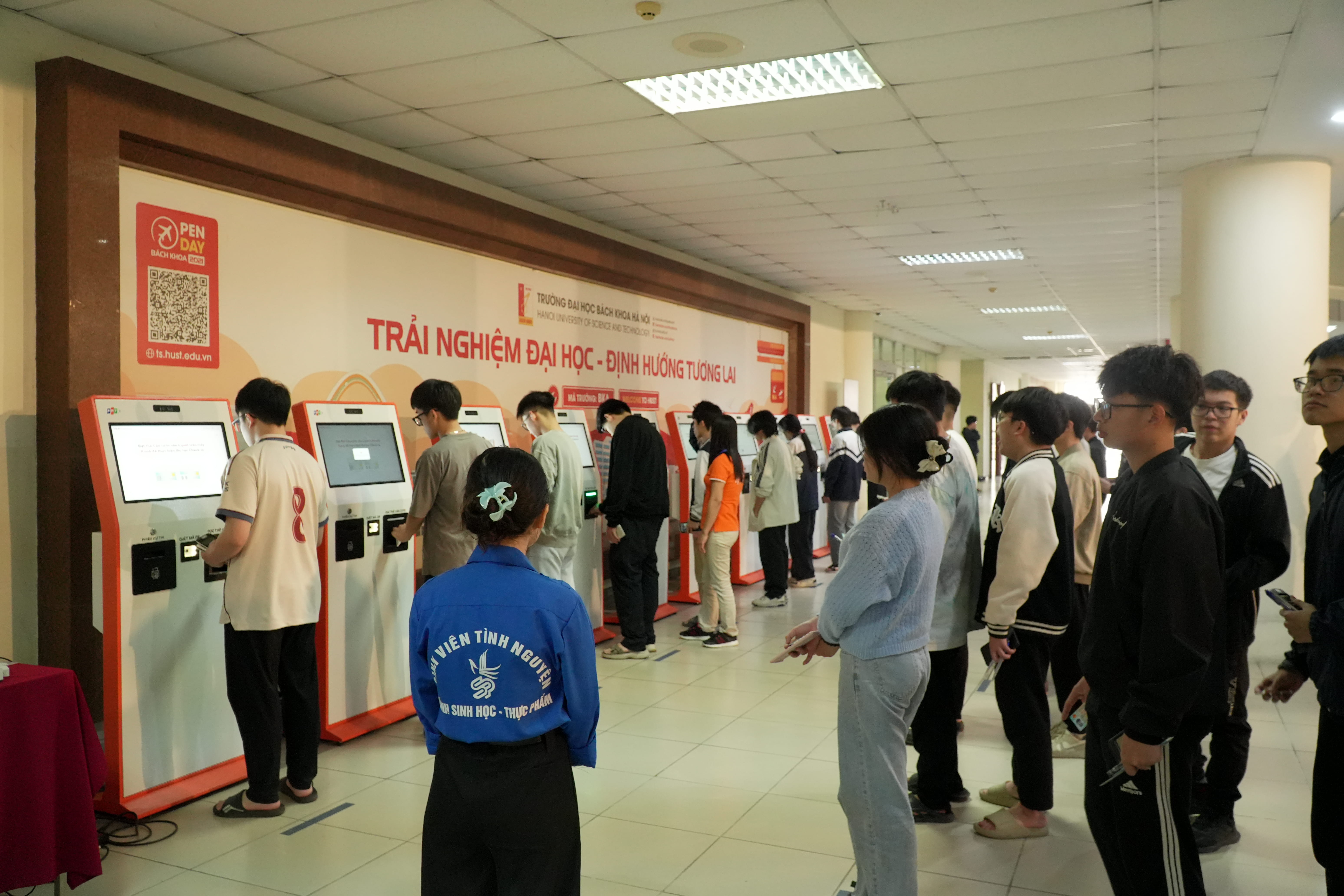
Image 1: The second round of the Thinking Skills Assessment (TSA) 2026 organized by Hanoi University of Science and Technology attracted 20,651 candidates.
This is not only an expected signal given the trend and effectiveness of competency-based assessments, but also the result of thorough preparation that Hanoi University of Science and Technology has carried out over the years.
The Thinking Skills Assessment is one of the standardized tests developed by Hanoi University of Science and Technology to evaluate candidates’ logical thinking, analytical ability, and problem-solving skills. The test is conducted on computers and built based on Item Response Theory (IRT), a commonly used measurement method in modern testing systems worldwide.
Since its launch, the exam has recorded more than 130,000 candidate attempts, with over 50,000 in 2025 alone.
In 2026, the exam is organized in three rounds nationwide. Round 1 (January 24–25, 2026) recorded nearly 17,000 participants, with 5 candidates scoring above 90, 59 above 80, and 564 above 70; the average score was 54.01/100. The results of Round 2 are expected to be announced after approximately 10 days on the MyTSA system. The final round will take place on May 16–17, 2026, with registration open from April 5–15, 2026.
Currently, more than 50 universities and academies across the country have announced that they will use TSA results for admissions in 2026.
Behind these impressive figures are significant operational challenges—tens of thousands of candidates must be admitted, authenticated, and tested accurately, quickly, and fairly across dozens of test sites nationwide. Technology has been and continues to be the solution to these challenges.
First-time deployment of automated check-in kiosks
From the early stages of implementing technology-based testing, Hanoi University of Science and Technology, together with FPT, deployed the FPT.IDCheck identity verification solution combined with the FPT IDReader chip-based citizen ID reader, enabling candidate authentication in about 10 seconds with near-perfect accuracy. This contributes to ensuring fairness and transparency while minimizing impersonation.
Building on this effectiveness, a notable new feature of TSA 2026 is the automated check-in kiosk model, deployed for the first time at the Ta Quang Buu Library test site – Hanoi University of Science and Technology.
Candidates use chip-based citizen ID cards to complete the entire check-in process, including identity verification, information lookup, viewing the test room layout, and printing the exam slip. The entire process is carried out automatically in just a few steps without the need for staff assistance.
The system automatically cross-checks with the National Population Database and captures facial images to accurately identify candidates. In addition to ensuring accuracy and speed, this approach also provides a positive experience for candidates.
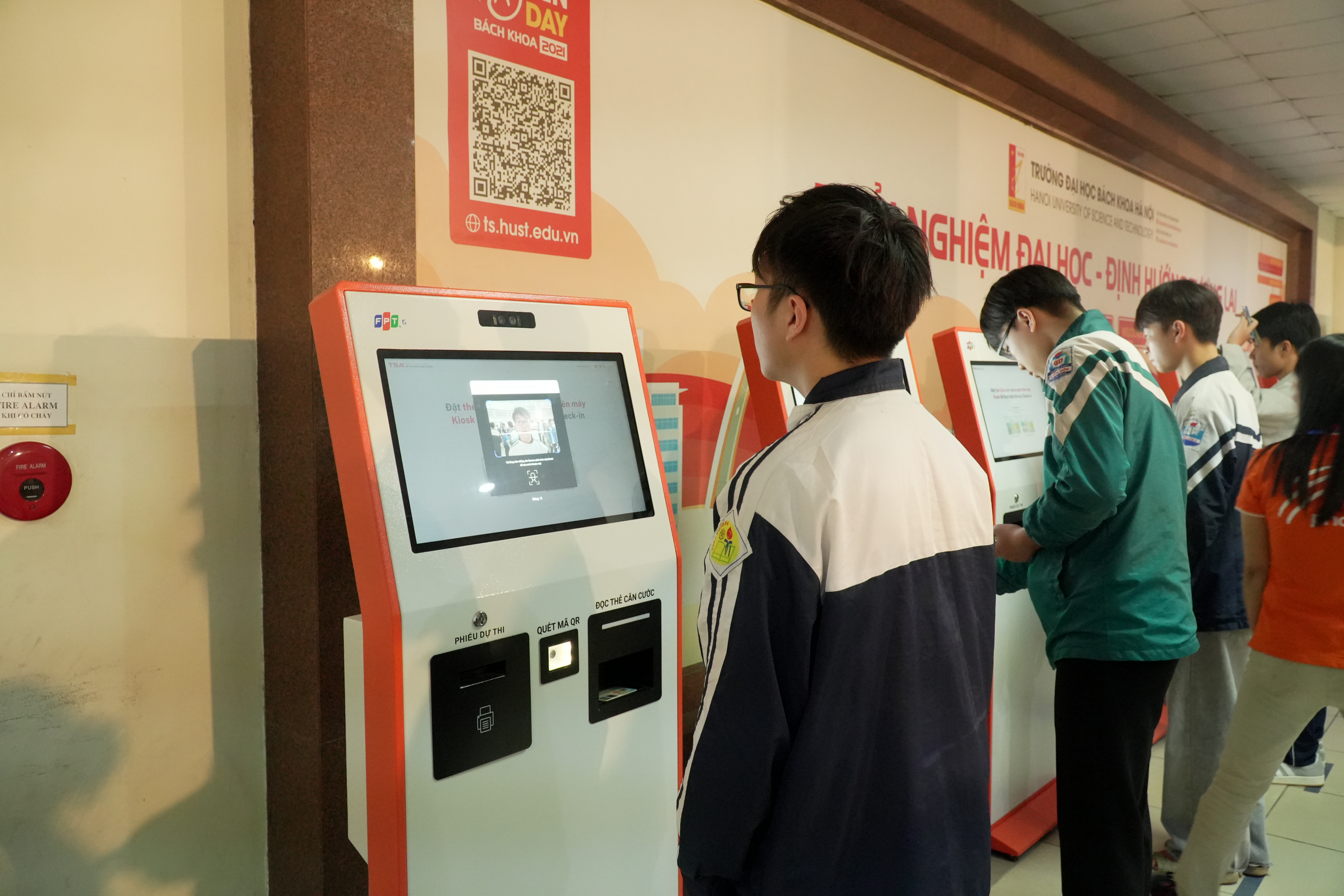
Image 2: Candidates complete check-in procedures at an automated kiosk before entering the exam room.
Mr. Nguyen Hong Hai – Director of the Education Solutions Center at FPT – commented: “For an online exam with tens of thousands of candidates across multiple locations nationwide, the biggest challenge is ensuring the system operates stably, transparently, and fairly for all candidates.”
Accordingly, the kiosk check-in model not only reduces errors and waiting time during procedures but also enhances candidate experience and improves management efficiency for the organizers.
Nguyen Huu Duc, a student from Dai Tu High School (Thai Nguyen), said the check-in process was faster and more convenient than before.
“Such technology makes the exam more transparent, and the computer-based test interface is easy to use, so I can fully concentrate,” Duc shared.
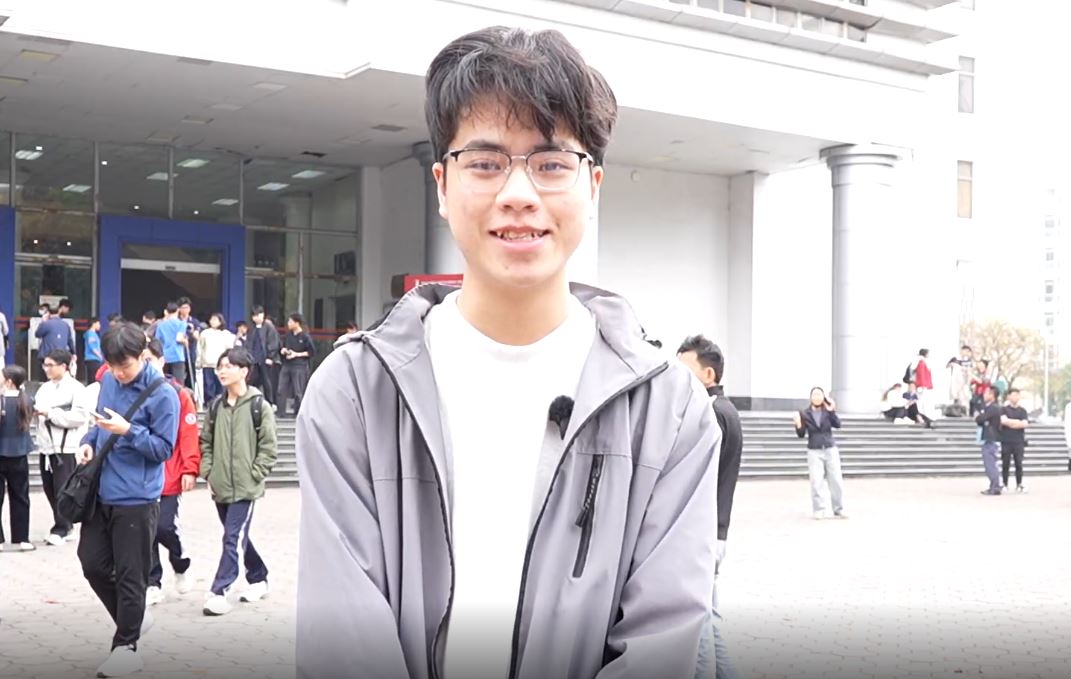
Image 3: Nguyen Huu Duc – Dai Tu High School (Thai Nguyen) said the automated kiosk check-in was faster and more convenient than before.
Online testing system and real-time monitoring
The TSA 2026 continues to be implemented on the Khaothi.Online platform developed by FPT. The entire testing process is digitized—from registration, payment, question bank development, exam organization and supervision, grading, to certificate issuance—operating on a single unified platform.
With this platform, along with the identity verification system, organizers can monitor attendance status, absences, and candidate progress at all test locations in real time through a centralized reporting system.
After the exam, answer data is automatically packaged and stored on servers, reducing paperwork and facilitating inspection, auditing, and result reconciliation.
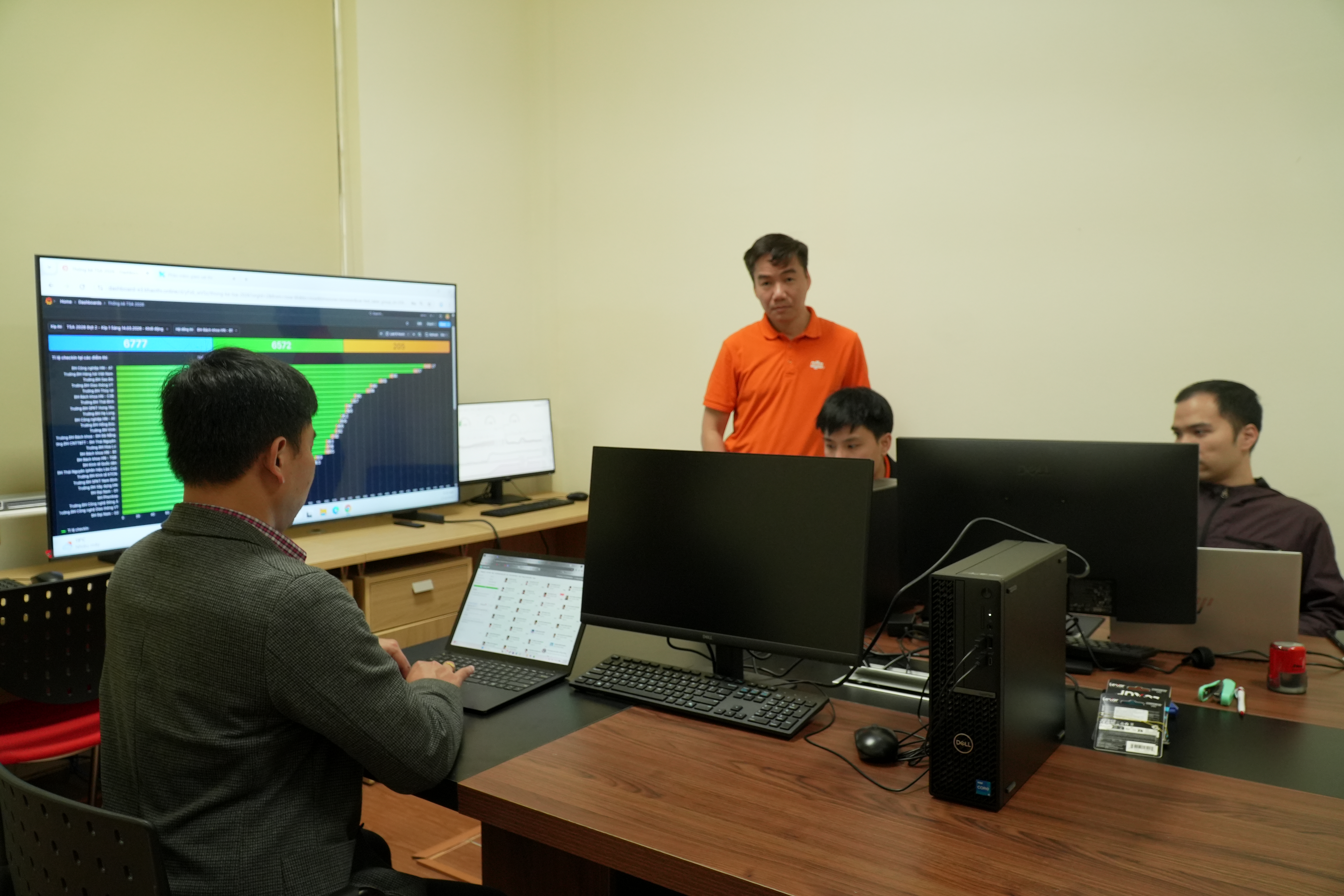
Image 4: FPT technical teams closely support operations at test locations.
In 2026, the system has also been upgraded with several features to enhance safety and security. Exam codes have been extended from 6 to 12 digits to reduce the risk of guessing. The proctoring interface has been completely redesigned, adding tools to support monitoring and management of online test rooms.
FPT’s technical teams also closely accompany operations at test locations, at the TSA Operations Center of Hanoi University of Science and Technology, and at the data center to monitor the system and handle any arising issues.
The successful deployment of Khaothi.Online, combined with FPT.IDCheck and automated check-in kiosks, not only enhances the quality of TSA organization but also affirms FPT’s capability in mastering technology, opening up broader potential for applying “Made by FPT” solutions in large-scale testing and assessment across various fields.