Hanoi, April 11, 2026 – Nearly 20 experts and enterprises attended the “Semiconductor Future Summit” hosted by FPT International University Institute in Hanoi, focusing discussions on the shortage of semiconductor workforce amid surging global chip demand and the rapid advancement of artificial intelligence (AI).

Semiconductor workforce challenge: The bottleneck goes beyond quantity
According to the Semiconductor Industry Association (SIA), the global semiconductor industry is projected to reach a market size of USD 1 trillion by 2030, driving significant demand for technical talent. In Vietnam, estimates from the National Innovation Center (NIC) indicate a need for approximately 50,000 semiconductor engineers by 2030, while current training capacity meets only a small portion of this demand.
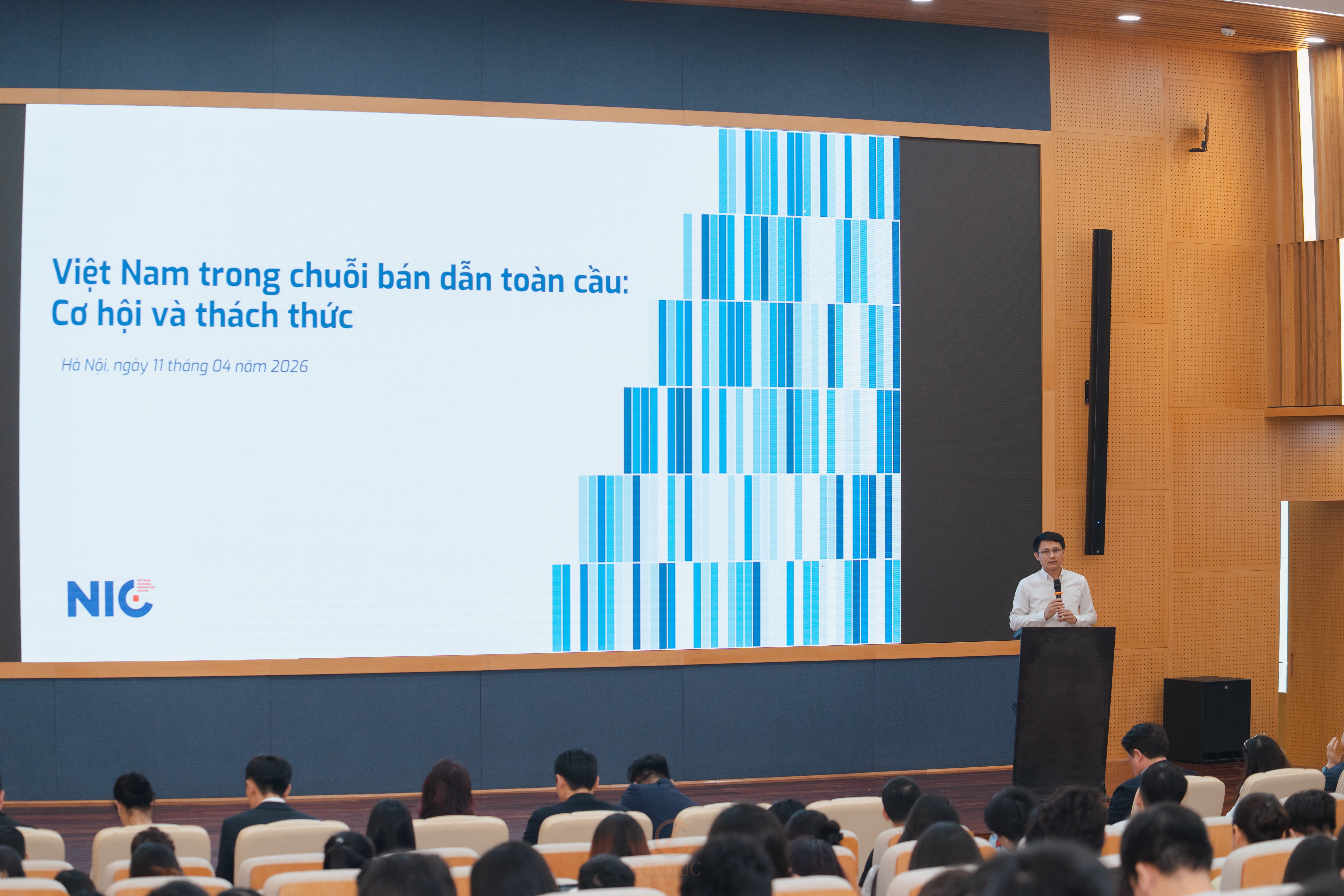
Speaking at the summit, Dr. Võ Xuân Hoài, Deputy Director of NIC, noted that Vietnam’s “bottleneck” lies not only in quantity but also in workforce quality. Many engineers are not yet ready to work in international environments due to limitations in foreign language proficiency, practical skills, and project experience. This calls for a shift in training models—from “learning to know” to “learning to do.”
Training pathway: Enabling Vietnamese students to enter the global market directly
Addressing these practical challenges, the Gachon Vietnam program—a collaboration between FPT University, FPT, and Gachon University—has been designed as a model that directly aligns with market demands.
Rather than focusing solely on theory, the program outlines a clear two-phase pathway: students are equipped with foundational knowledge, language skills, and global mindset in Vietnam before transitioning to South Korea for advanced training in a leading semiconductor education environment. There, students not only study but also directly participate in chip design projects, access modern laboratory systems, and connect with the technology ecosystem at Techno Pangyo—often regarded as the “Silicon Valley of South Korea.”
The core of this model is to train engineers who can work immediately upon graduation, instead of requiring additional “retraining” within enterprises.
When training must align with industry: No longer optional, but essential
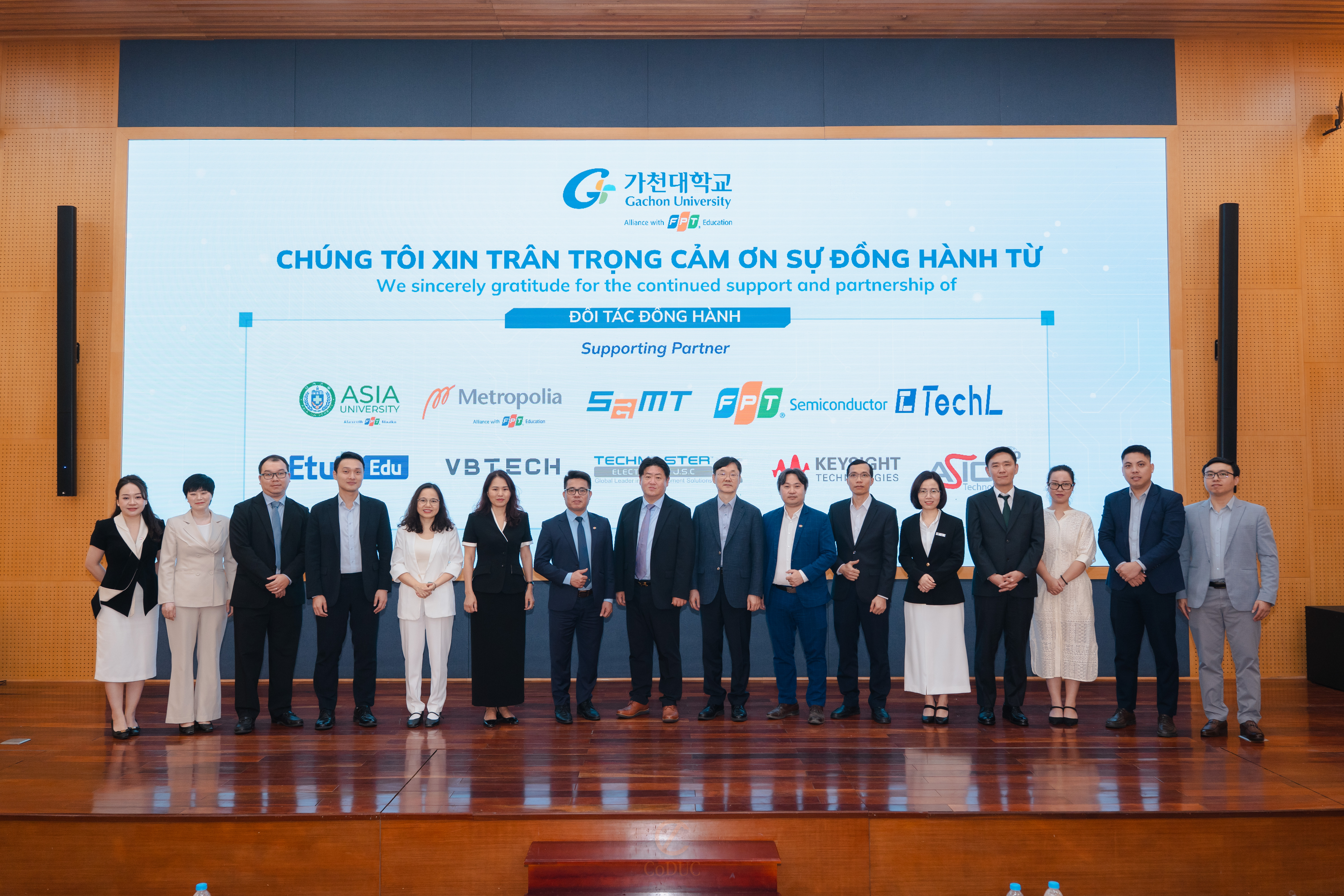
One of the highlights of the summit was the signing ceremony between Gachon Vietnam and enterprises within the semiconductor ecosystem, including FPT Semiconductor, TechL Vina, Vietbay, and LetuinEdu Vietnam.
This collaboration reflects a clear shift in training mindset: universities are no longer independent “knowledge providers” but become integral components in the value chain alongside enterprises. When companies directly participate in training—from curriculum design to providing internships and real-world projects—students gain early exposure to actual work environments while still in school.
According to experts, this is the key factor in narrowing the gap between training and real-world demand—a gap that has long been a weakness of Vietnam’s tech workforce.
Towards a practice-oriented semiconductor ecosystem
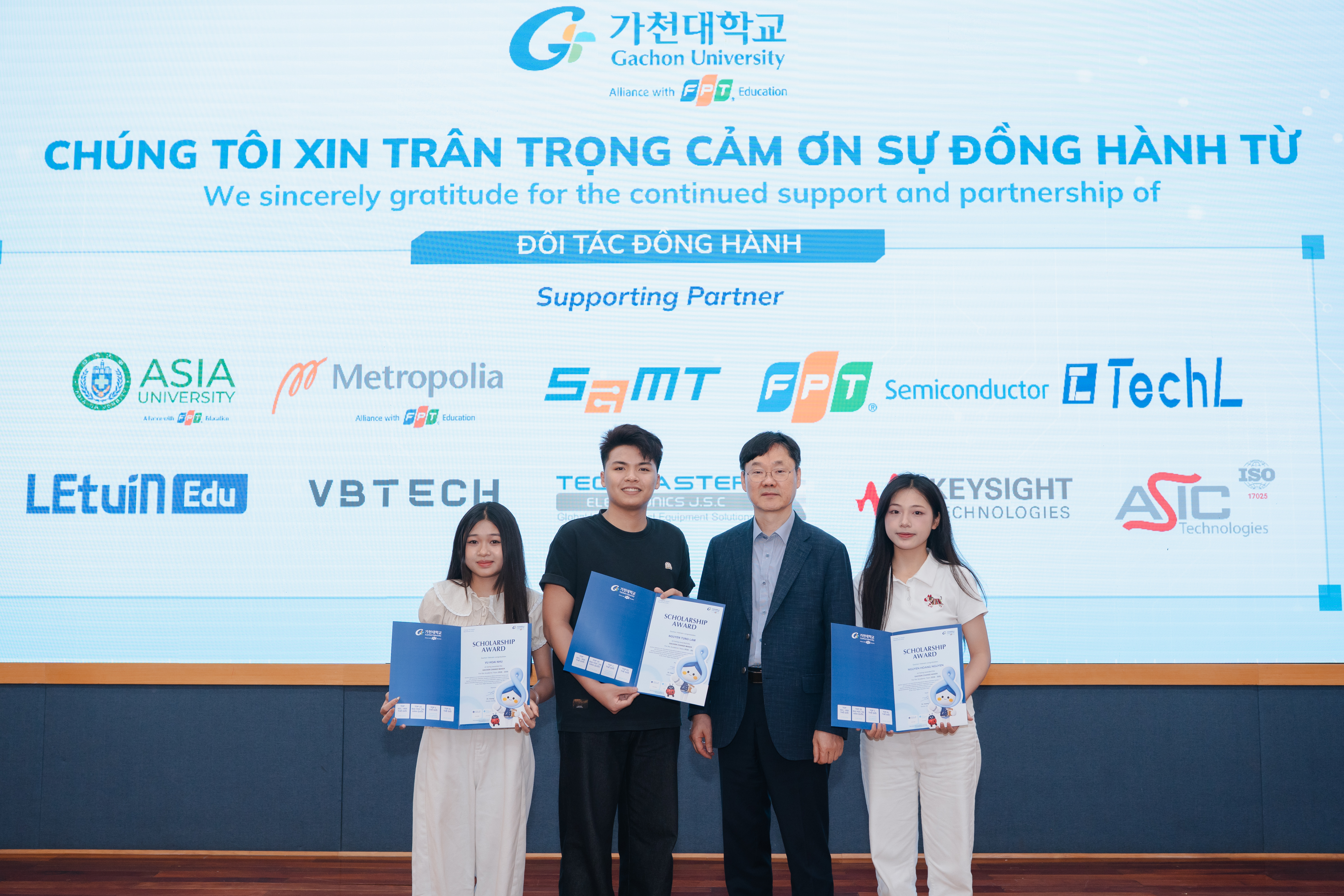
The summit concluded with the official launch of the training program and the awarding of scholarships to the first cohort of Gachon Vietnam students, marking the beginning of a new training model in Vietnam’s semiconductor sector.
In the context of AI reshaping the entire technology landscape, building a training ecosystem closely aligned with industry, international standards, and market demand is no longer a long-term direction but an urgent requirement. The emergence of Gachon Vietnam demonstrates a different approach: training not only to meet domestic needs but to prepare a workforce capable of competing in the global value chain.