Quantum Technology: The Next High-Tech Race and Vietnam’s Talent Strategy
•
22/05/2026
Quantum technology is forecast to create a wave of disruption even greater than AI. The latest directive from Vietnam’s top leadership on a nationally strategic initiative has prompted pioneering enterprises to proactively join the race and “roll out the red carpet” to welcome world-class talent back home.
As the world continues to marvel at the rapid advancement of Artificial Intelligence (AI), policymakers and the global scientific community have quietly shifted attention toward a new frontier: Quantum Technology. If AI transformed how we optimize data, quantum technology is expected to generate even more profound disruptions, fundamentally reshaping the architecture of global security and economic systems.
As global competition intensifies, Vietnam has sent a strong signal at the highest level with a clear message: the country cannot afford to fall behind again. In this transformational moment, early efforts by major technology corporations to attract and cultivate top talent are becoming critical drivers for turning national ambitions into reality.
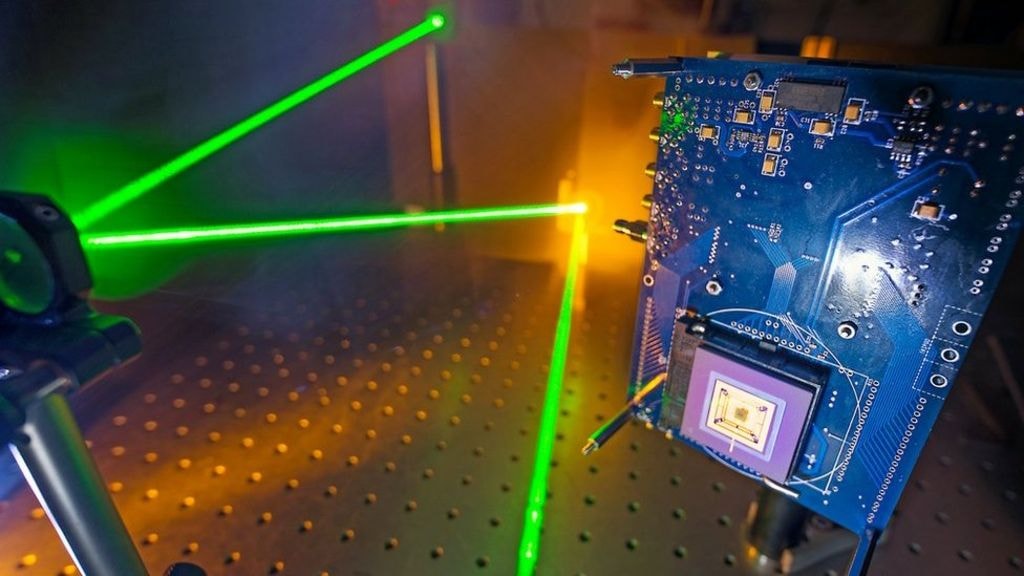
Quantum technology is forecast to create disruptions potentially greater than AI (illustrative image).
Quantum Technology Could Have an Even Greater Impact Than Artificial Intelligence
“Quantum technology will open doors that even today’s most powerful supercomputers would need billions of years to unlock. This is not simply technological progress — it is a complete change in the rules of the global game,” said Dr. John Preskill, Professor of Theoretical Physics at Caltech and the pioneer behind the concept of Quantum Supremacy.
Complex supply chain optimization problems or molecular simulations for new drug development, which would traditionally require thousands of years of computation by conventional supercomputers, could potentially be completed by quantum computers in just minutes. Such transformative potential explains why Quantum is expected to create waves of disruption that could exceed even AI.
This explains why leading consulting firms and major nations are heavily investing in the quantum race. Quantum computing power does not evolve linearly but expands exponentially through fundamental principles such as superposition and quantum entanglement.
According to the latest McKinsey Quantum Technology Monitor, global public funding commitments for quantum technology have exceeded USD 42 billion. Major economies are making aggressive investments. China leads with a record commitment of USD 15.3 billion, followed by the European Union with more than USD 8.4 billion, and the United States with nearly USD 4 billion in planned investments to protect technological leadership.
Vietnam Elevates Quantum to National Strategic Priority: The Critical Talent Challenge
In Vietnam, quantum technology has officially reached the highest level of national strategic importance.
On May 21, 2026, at the Party Central Committee headquarters, General Secretary and State President To Lam chaired a high-level meeting to review and approve the initiative titled Research, Application and Development of Quantum Technology for Socio-Economic Development and National Defense and Security.
At this landmark meeting, Vietnam’s top leader emphasized that quantum technology must be recognized as a national strategic issue and a core competitive capability for the future rather than merely a scientific research topic.
He stressed that as a latecomer, Vietnam must adopt a strategy of “arriving later but not moving slower,” focusing investment on key priorities to achieve strategic autonomy and strengthen national security in the new era.
However, the largest global barrier in this field remains human capital. Quantum science is exceptionally complex, requiring deep interdisciplinary expertise across theoretical physics, advanced mathematics, and computer science.
To realize this national strategy, Vietnam needs a leapfrogging approach centered on attracting world-class intellectual resources, especially Vietnamese experts and scientists abroad who have accumulated experience at leading technology centers in the United States, Japan and Europe.
The expertise and patriotism of overseas Vietnamese communities represent an invaluable internal resource for helping Vietnam keep pace with the global technological frontier.
FPT Rolls Out the Red Carpet to Bring Quantum “Eagles” Home
Recognizing both the national mission and urgency of the moment, FPT has taken proactive leadership not only in seeking solutions for businesses but also in building foundational quantum capabilities for Vietnam.
The strategy is being executed through two key pillars: attracting talent and building educational infrastructure.
In December 2025, FPT established the Quantum AI & Cyber Security Institute (QACI) under the scientific leadership of Professor Ho Tu Bao and the executive leadership of Associate Professor Ngo Xuan Bach.
QACI focuses on research and solution development, doctoral and senior expert training, and international collaboration. It is among the first enterprise-led quantum research centers in Vietnam, backed by an investment commitment of up to USD 100 million from FPT.
Alongside infrastructure development, FPT has actively recruited top Vietnamese experts to return home.
Most recently, Dr. Vo Van Tuan, a Vietnamese researcher with an outstanding academic profile, returned from Japan to join FPT as Director of Quantum Lab.
He earned his Bachelor's, Master’s and PhD degrees in Information and Communication Engineering from the University of Tokyo, Japan’s leading institution, before continuing as a Postdoctoral Researcher at Kyoto University.
Before joining FPT in March 2026, Dr. Vo had authored numerous high-impact studies in statistical physics and quantum mechanics published in prestigious journals such as Physical Review Letters and Physical Review Research. He also serves as an expert for the Vietnam National Data Association.
FPT also revealed that discussions are underway to bring more top Vietnamese quantum experts from the United States, South Korea and other countries back to Vietnam.
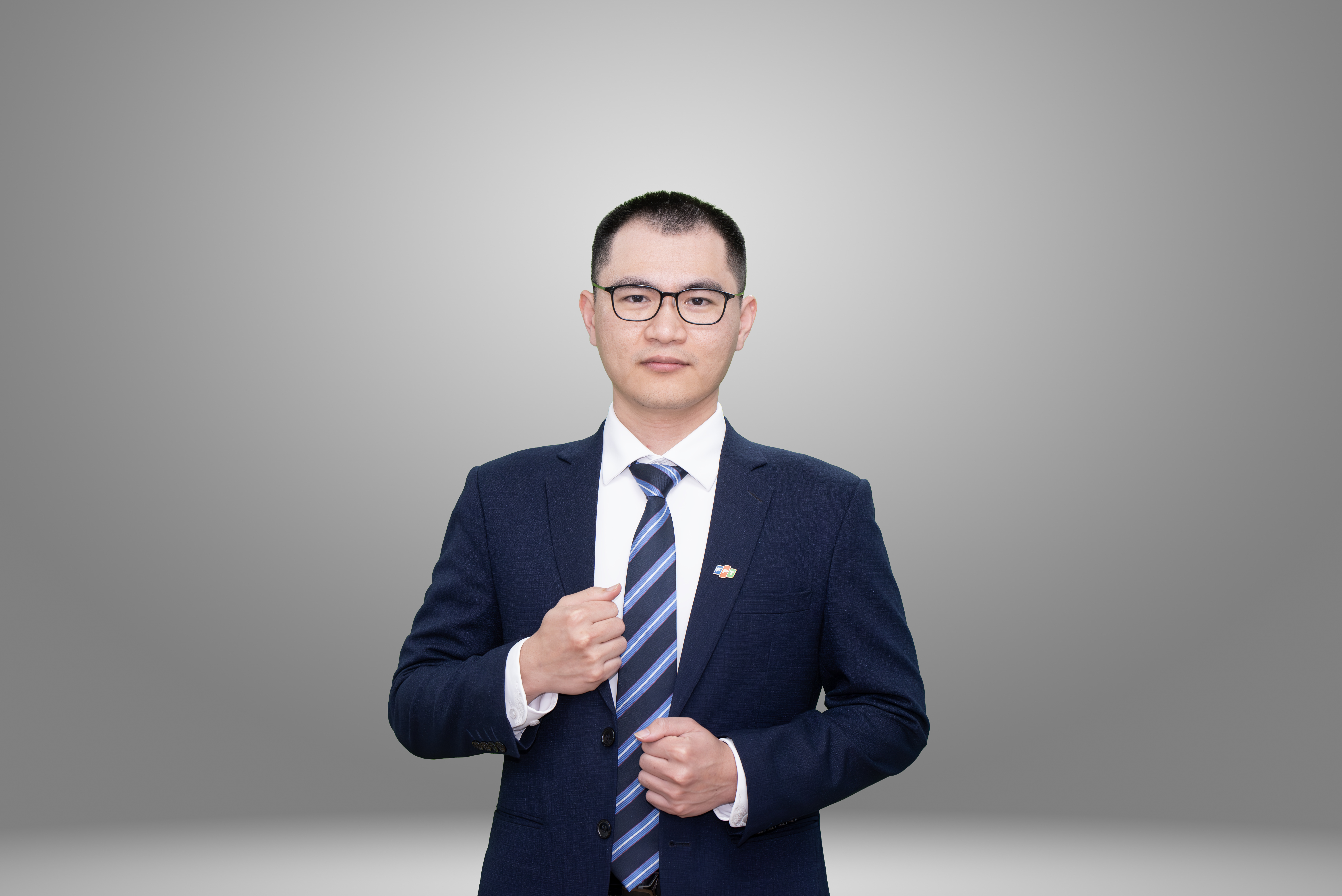
Dr. Vo Van Tuan, a Vietnamese expert with an outstanding academic profile, returned from Japan to join FPT as Director of Quantum Lab.
Sharing his reasons for returning, Dr. Vo Van Tuan said: "Quantum technology is no longer too early for Vietnam. If we wait until this technology becomes fully mature globally, the gap will become impossible to close. Quantum is extremely challenging and still new even for the world itself. Therefore, the greatest resource Vietnam has is the intellectual strength of overseas Vietnamese experts and researchers.
After years studying and conducting research at the University of Tokyo and Kyoto University, I decided to return because I believe the global movement of talent returning home has reached its most promising moment.
For this intellectual flow to generate real value, we need organizations with sufficient vision and determination. I chose FPT because I found a long-term strategic vision and an internationally-oriented research environment at Quantum Lab where scientists are empowered to focus entirely on their expertise."
He added that beyond shaping core research directions in quantum computing, a major goal is to transform the Lab into a strong bridge that attracts outstanding Vietnamese minds from the US, Japan and Europe to build an independent technology ecosystem for Vietnam.
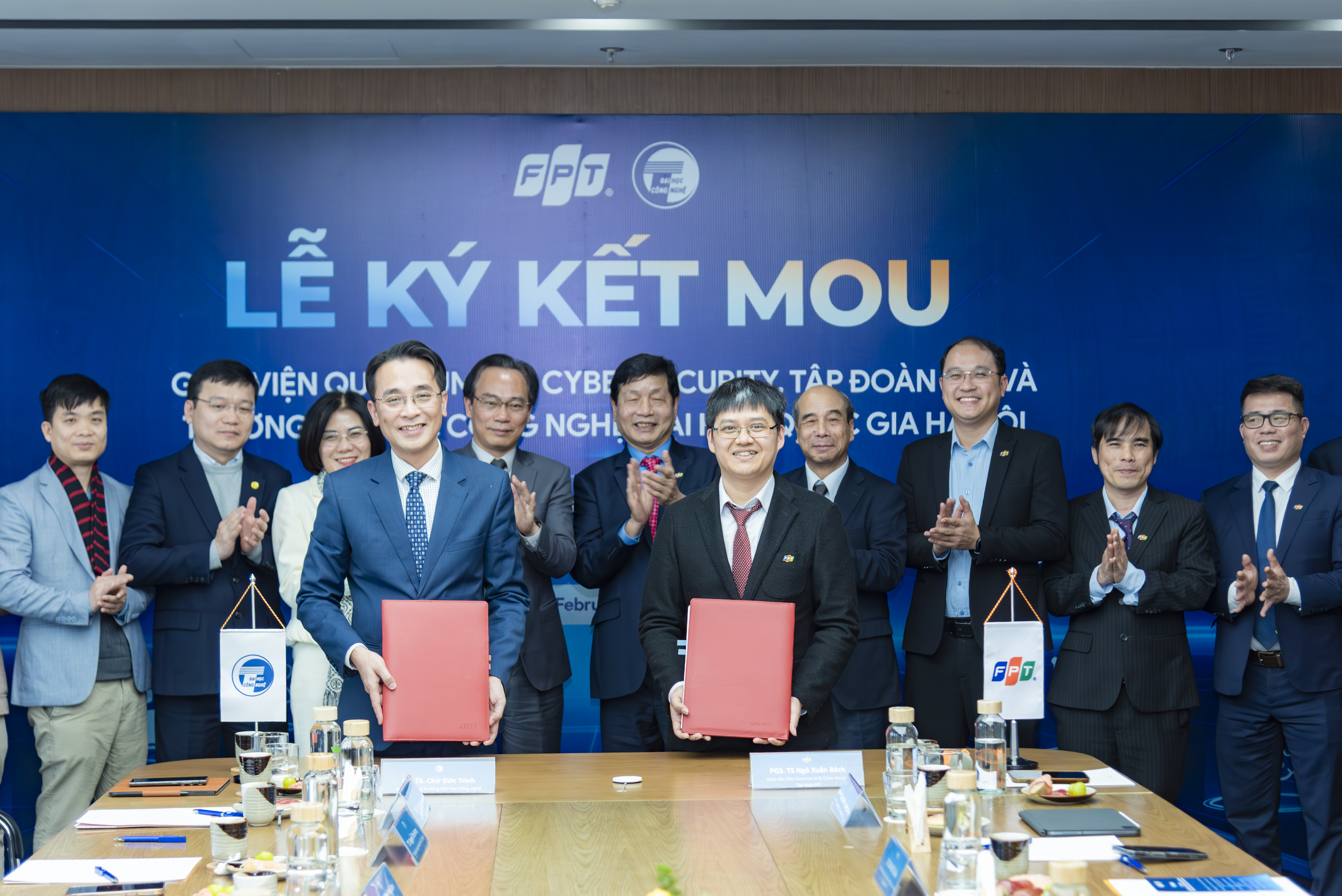
The Quantum AI & Cyber Security Institute (QACI) and the University of Engineering and Technology – Vietnam National University, Hanoi signed a partnership agreement to develop strategic technology talent.
Building an International-Standard Education Ecosystem
Recognizing global talent as a decisive factor, FPT has proactively built an integrated ecosystem spanning research laboratories to university classrooms.
Beyond theoretical challenges, FPT is turning the ambition of helping Vietnam move in sync with global technology development into reality through breakthrough goals in both infrastructure and education.
According to FPT representatives, Quantum Lab’s primary objective in the near future is to collaborate with leading technology partners to bring quantum computers to Vietnam. This initiative is expected to significantly reshape the country’s digital infrastructure and elevate national computing capabilities.
FPT is also working with Hanoi University of Science and Technology toward establishing Vietnam’s first Faculty of Quantum Technology.
Combining real-world expertise, international specialist networks and academic excellence is expected to become a strong foundation for nurturing and supplying high-quality quantum talent over the next five to ten years.
The quantum revolution has already begun, and the world will not wait.
With strong direction from General Secretary and State President To Lam, combined with the pioneering efforts of universities, technology corporations and the return of Vietnamese talent worldwide, Vietnam has every reason to believe in the ambition of mastering strategic technologies and achieving breakthroughs in the quantum era.
Photo: Vo Van Tuan